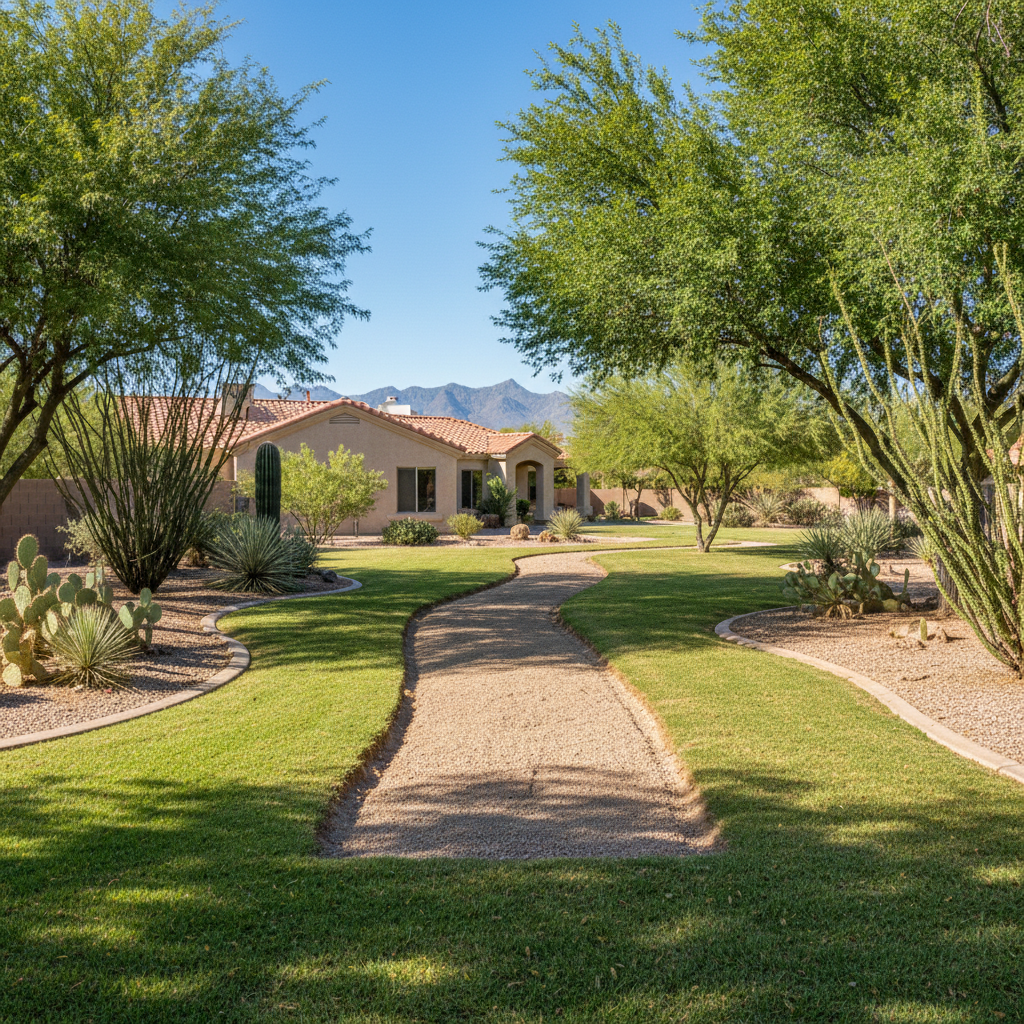
That utility trench you dug last season is not something you can just ignore once the backfill settles. Out here in Mohave County, our ground takes a beating from the elements, and your underground lines feel every bit of it. Property owners around the Hualapai Mountain foothills sometimes assume buried means forgotten, only to deal with major issues down the road. Aim High Excavating Co wants to talk about what it actually takes to keep your utility trenches stable and your services running smooth year-round.
How to Protect Your Trenches from Desert Extremes
Our summer heat bakes the soil bone dry, and when those sudden monsoon downpours hit, that same dirt turns into a muddy rush. If your backfill was not compacted right, water is going to find the path of least resistance right down into your trench. That causes settling, erosion, and puts unwanted stress on your water lines, power conduits, or gas pipes. To extend the life of your trench work, you have to manage surface runoff. Make sure the grade slopes away from your trench path so heavy rain does not pool directly above your buried lines. Adding a layer of native gravel or properly establishing desert landscaping over the top helps anchor the soil against wind and water erosion.
What Routine Upkeep Actually Looks Like
You do not need to spend every weekend inspecting your yard, but a few seasonal checks will save you money. Walk your utility paths a couple of times a year, especially right after the heavy summer storms or following our few freezing winter nights.
- Look for unexplained depressions or low spots in the dirt where the trench runs.
- Check that your marker tape or surface caps are still visible and secure.
- Keep deep-rooted vegetation away from the trench corridors so thirsty roots do not tangle with your pipes.
Warning Signs You Can Not Ignore
The local climate often gives hints before things completely break down. If your water bill spikes out of nowhere, or you spot a patch of grass that is greener and soggier than the rest of the yard during a dry spell, your trench is telling you something is wrong. Electrical lines acting up or circuit breakers tripping after a heavy rain usually point to moisture intrusion in the conduit. Ground settling that pulls away from your foundation or driveway is another red flag that the bedding material inside your trench has shifted or washed away.
When It is Time to Call Aim High Excavating Co
Some minor settling is normal to fix with a shovel and a bag of gravel, but major shifts require heavy machinery and an experienced crew. If you see a major washout, exposed conduit, or suspect a utility line has shifted due to unstable soil movement, step back and give us a call at Aim High Excavating Co. Aim High Excavating Co knows how stubborn Kingman's caliche and rocky desert soils can be when you need to dig back down and shore things up properly. Taking care of your trenches now means you will not be dealing with a midnight emergency repair when you least expect it.