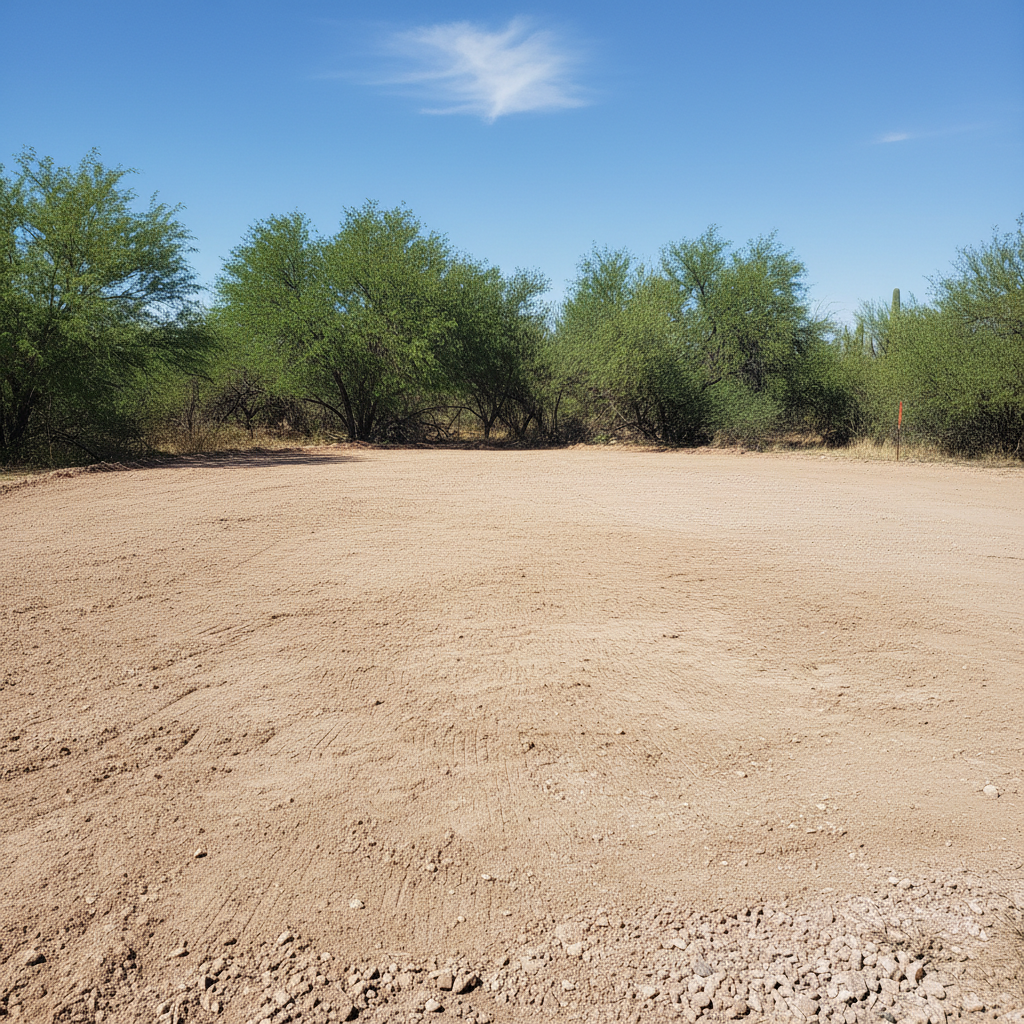
So, you finally got that land cleared. Maybe you did it for a new build, or to help with fire mitigation, or just to get some usable space back. Whatever the reason, you probably want that fresh, open look to stick around, right? It's not really a "set it and forget it" kind of thing, especially here in Kingman with our unique desert environment.
Honestly, I've seen way too many properties go from looking great to totally overgrown in what feels like no time at all, just because folks didn't keep up. Let's chat about how you can make that land clearing work last longer and what you should really be looking out for.
Making Your Land Clearing Last
The biggest thing you can do to keep your land clear is to really understand what you're up against. Here in Mohave County, we've got some tough, super resilient plants. Creosote bushes, mesquite, and all sorts of desert grasses are always just waiting for a chance to pop back up. It's just nature doing its thing, after all.
After we've cleared your property, the ground is pretty exposed. This can be great for new construction, sure, but it also means sunlight hits the soil directly. That encourages new growth from seeds that were just lying dormant or maybe even blew in. Those first few months after a clear are absolutely critical. You'll want to be proactive, not just reacting to problems.
Think about what you're actually using the land for. If it's for a future build, keeping it clear now means less work later on. If it's for fire prevention, maintaining that defensible space could literally save lives. Consider adding some landscaping or ground cover that won't grow back so fast or aggressively, if that fits your plans. Even a layer of gravel can really help keep some of those pushy weeds down.
Regular Maintenance: What Does It Actually Look Like?
Regular maintenance isn't about hauling in heavy equipment every six months. It's more about consistent, smaller efforts. Here's what I usually tell people:
- Walk your property regularly: No kidding, just take a stroll once a month. Especially after any good rain. Look for new sprouts.
- Spot treat new growth: Catch those little weeds and saplings when they're tiny. You can pull them by hand, use a hoe, or even hit them with a targeted herbicide if you're comfortable with that. Just don't let them get established, okay?
- Manage erosion: Our monsoon season can be pretty brutal. Heavy rains can just wash away topsoil, creating gullies and exposing roots. If you spot signs of erosion, deal with it fast. Sometimes a simple barrier or a few strategically placed rocks can make a huge difference. This is especially true on sloped properties, like those up near the Hualapai Mountains.
- Keep an eye on fence lines and borders: These spots often get forgotten and can easily become the starting points for new overgrowth to creep back in.
The whole point is to stop a small problem from turning into a big one that needs another full-scale clearing. It's kind of like keeping up with your house cleaning versus letting it get so bad you need a deep clean.
Warning Signs of Trouble
You'll definitely know when things are starting to get out of hand. Here are a few red flags:
- Rapid regrowth: If you're seeing a bunch of new sprouts across a big area within just a few weeks, that's a clear sign you need to step up your maintenance.
- Dense patches forming: Instead of just individual plants, you're noticing clusters or whole patches of unwanted vegetation. That means they're really getting comfortable.
- Erosion channels: Visible ruts or even small canyons forming where water flows. This isn't just about looks; it can mess with foundations or create safety hazards.
- Pest infestations: Overgrown areas are perfect hideouts for rodents, snakes, and insects. If you start seeing more pests, it might be because they've found good cover on your property.
- Neighbor complaints: Nobody wants to be 'that' neighbor, right? If your cleared property is starting to look like a jungle again, your neighbors might just let you know.
Don't ignore these signs. They're basically telling you it's time to do something.
When to Call a Professional
While you can handle a lot of maintenance yourself, there are definitely times when it's smarter, safer, and honestly, more cost-effective to just call in the pros. Aim High Excavating Co. handles this kind of work all the time, by the way.
- Overwhelmed by regrowth: If the problem is just too big for you to handle with hand tools or a small mower, it's time to give us a shout. We've got the right equipment to tackle dense brush and established trees quickly.
- Hazardous vegetation: Dealing with large, thorny bushes, venomous plants, or areas with steep slopes can be dangerous. Please don't risk getting hurt.
- Erosion control beyond simple fixes: If you've got serious erosion issues that need grading, retaining walls, or specialized drainage solutions, that's absolutely a job for experienced excavators.
- Specific project needs: If you're getting ready for new construction, a professional reclear makes sure the site is perfectly prepped, saving you headaches later.
- Time constraints: Sometimes you just don't have the time or the energy. And that's totally fine! We're here to help you keep your property looking its best without you having to break your back.
Keeping your Kingman property clear after the initial work is an ongoing thing, but it doesn't have to be a huge burden. A little consistent effort really goes a long way. And when that effort isn't quite enough, well, you know who to call.