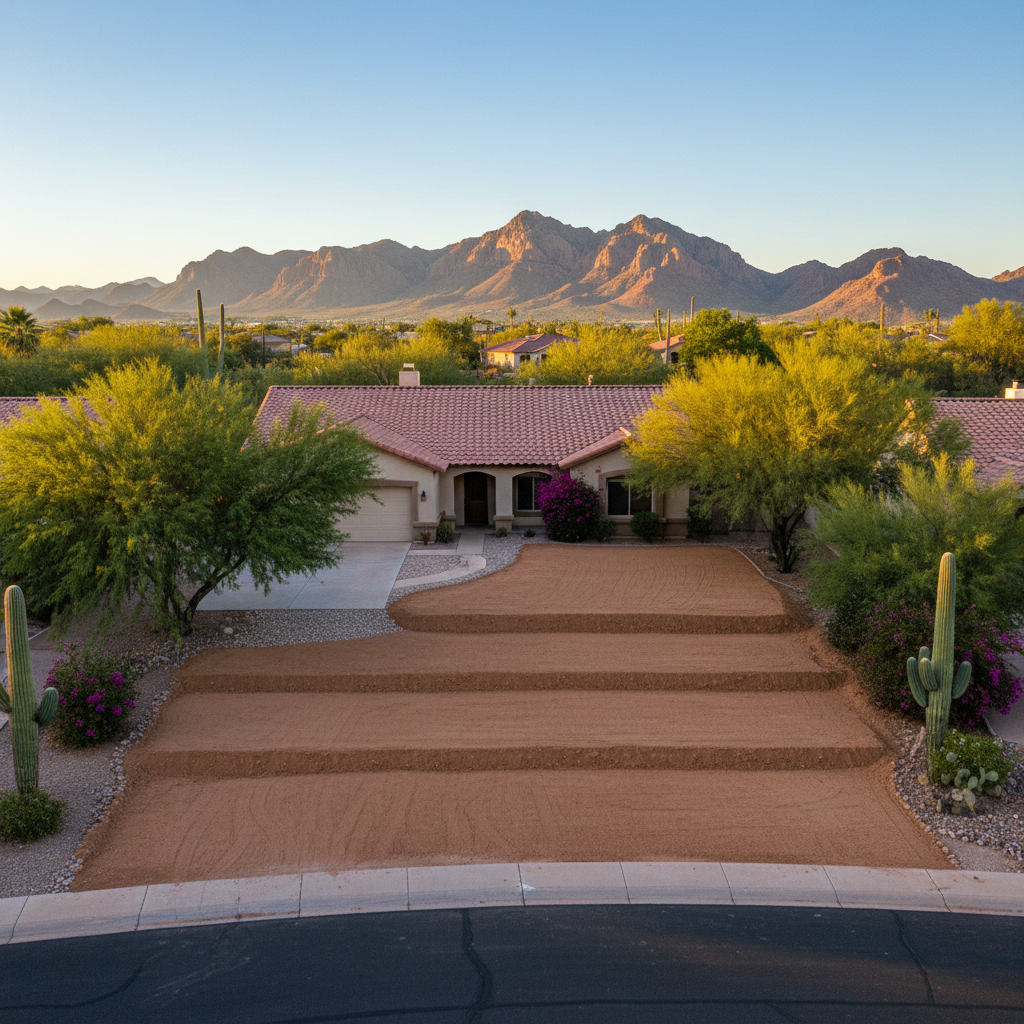
So, you're looking at your yard and thinking it's time to get that grading or leveling project done. Maybe you've got drainage issues, or you're planning a new patio, or just want a smoother area for the kids to play. Good call. A properly graded property isn't just about looks; it protects your home's foundation, prevents water damage, and can even boost your curb appeal. But before you jump in, there's a bit of planning you'll want to do. Let's talk about what that looks like.
Your Project Timeline: What to Expect
People often underestimate how long these things can take, and that's usually where frustrations start. It's not just the digging part, you know?
- Initial Contact & Site Visit: This is step one. You call us, we come out, take a look at your property, and discuss your goals. We'll assess the terrain, soil type – which around Kingman, especially in areas like Hualapai Foothill Estates, can be pretty rocky – and any existing drainage patterns. This usually takes a few days to a week to schedule.
- Quote & Contract: After the site visit, we'll put together a detailed quote. Once you're happy with it, we'll sign a contract. Don't rush this part. Make sure everything's clear.
- Permits & Utilities: This is often the biggest variable. Depending on the scope of work and local regulations, you might need permits from the city or county. We'll also need to call 811 to get utilities marked. This can take anywhere from a week to several weeks. Don't let anyone start digging until those lines are marked, or you're asking for trouble.
- Scheduling the Work: Once permits are in hand and utilities are marked, we can schedule the actual work. Good contractors are usually booked out a bit, so factor that in.
- The Work Itself: For most residential grading and leveling jobs, the actual excavation and grading can take anywhere from a few days to a couple of weeks, depending on the size and complexity. Bad weather, like those summer monsoon storms we get, can definitely cause delays, too.
- Final Walk-Through: We'll do a walk-through with you to make sure you're satisfied with the results.
All in, from your first call to the finished product, you're probably looking at a timeline of 3-8 weeks, sometimes more if permits are tricky or it's a big job.
How to Prepare Your Property
You can help make the process smoother and faster once we get on site. A little prep goes a long way.
- Clear the Area: Remove anything you don't want damaged or in the way. That means garden hoses, planters, kids' toys, even decorative rocks that aren't part of the final plan.
- Trim Landscaping: If there are low-hanging branches or shrubs that might interfere with equipment, trim them back. We need room to maneuver.
- Mark Hidden Obstacles: If you know about any old sprinkler heads, buried dog fences, or other non-utility items that won't be marked by 811, point them out to us. It saves time and prevents accidental damage.
- Ensure Access: Make sure there's a clear path for our equipment to get to the work area. Sometimes this means moving a vehicle or opening a gate.
- Communicate: If you have any specific concerns or requests, bring them up before we start. Don't wait until we're halfway through.
What to Ask Before Signing That Contract
This is where you protect yourself and ensure you're getting a good deal from a reputable company. Don't be shy about asking questions.
- What's included in the quote? Get a detailed breakdown. Does it include soil removal? Bringing in new fill dirt? Compaction? What about permit fees? You want to know exactly what you're paying for.
- How do you handle unforeseen issues? What if we hit a huge boulder that wasn't expected? Or an unmarked pipe? Good contractors will have a plan and a clear way to communicate any additional costs.
- Are you licensed and insured? This isn't optional. Any reputable company, like Aim High Excavating Co., will be fully licensed and insured. Ask for proof. It protects both of us.
- Can you provide references? Talk to previous clients. See their work if possible.
- What's your experience with projects like mine? You want someone who's done this type of work before, especially with Kingman's unique soil and terrain.
- What's the payment schedule? When are deposits due? When are progress payments? When is the final payment? Make sure it's clear.
- What's the warranty on your work? A good contractor stands behind their work.
- How will you protect my property? Will they lay down plywood for equipment if needed? How will they minimize disruption?
Getting a grading or leveling project done right takes a bit of foresight, but it's totally worth it for the long-term benefits to your home. Do your homework, ask the right questions, and you'll be set up for success.