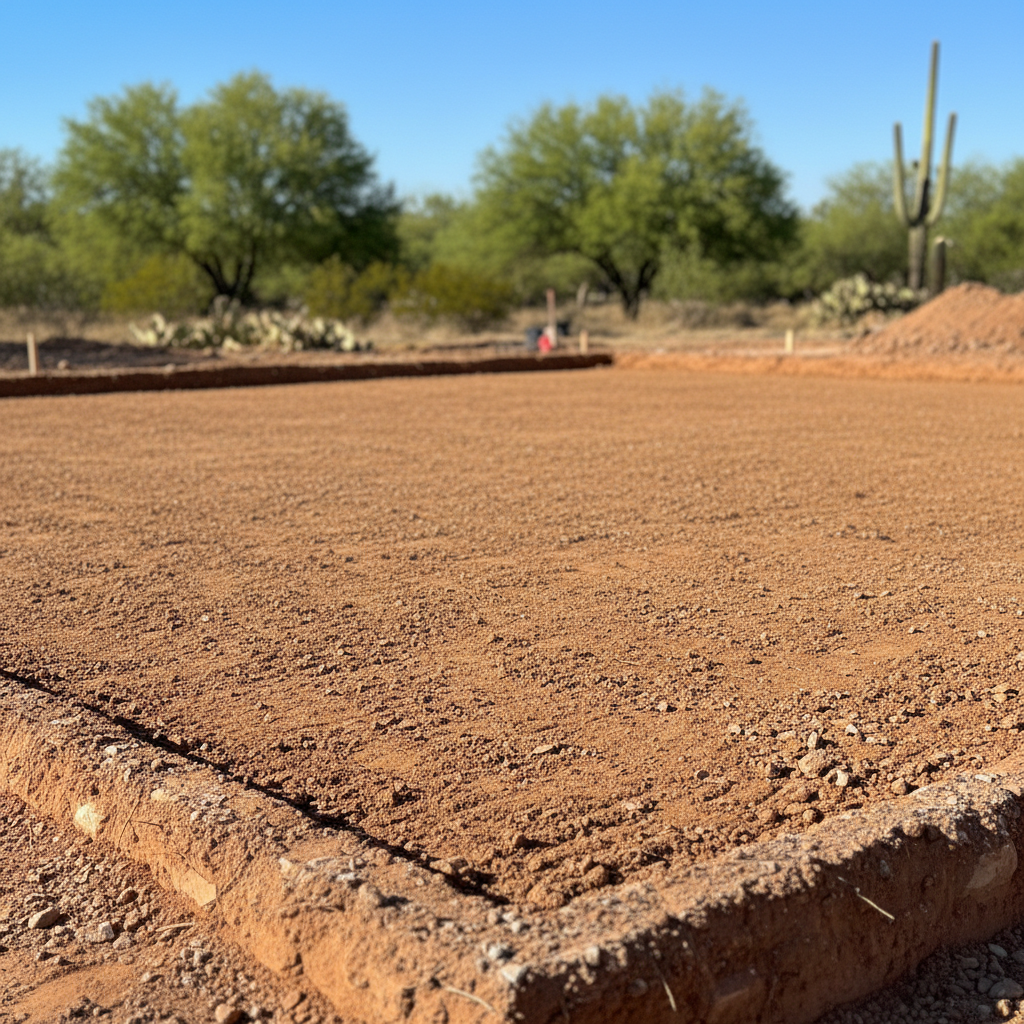
Before the First Shovel Hits the Dirt
Alright, so you're planning a new house, a big addition, or maybe even a new detached garage here in Kingman. That's exciting! But before you can even think about framing, you've gotta get the foundation right, and that starts with excavation. Now, I've seen a lot of folks get ahead of themselves, so let's talk about what you absolutely need to nail down before any dirt gets moved.
First off, permits. Don't even think about starting without them. Mohave County and the City of Kingman have their rules, and you really don't want to be caught without the proper paperwork. It's a headache you can easily avoid. Get your plans approved, understand the setbacks, and know what inspections you'll need. This isn't just bureaucracy, you know; it's about making sure your structure is safe and up to code.
Next, your site plan. You'll need a detailed drawing showing exactly where that foundation is going. This isn't just for the county; it's for your excavator too. We need to know the exact dimensions, depths, and any special features like stepped foundations for sloped lots. Kingman's terrain can vary a lot, from relatively flat areas in Butler to the rockier hillsides up by Hualapai Mountain Road. A good site plan accounts for all that, thankfully.
Then there's utilities. This is a big one. You do NOT want to hit a water line, sewer pipe, or electrical conduit. Call 811 a few days before any digging starts. It's free, it's the law, and it could save you a massive headache and a huge repair bill. They'll come out and mark all the underground lines. Trust me, it's worth the wait.
Finally, consider your soil. Here in Kingman, we've got a mix. Sometimes it's nice, easy-to-dig caliche, other times you hit solid rock that needs a serious hammer. A geotechnical report isn't always required for residential builds, but it can be a lifesaver if you're on questionable ground. It tells you what kind of soil you're dealing with, its load-bearing capacity, and if there are any special considerations for your foundation. If you're on a hillside, or if you've seen weird cracking in nearby homes, it's probably a good idea to get one.
During the Dig: What to Expect
Okay, all the prep work is done. Now it's time for the heavy machinery. What happens during the actual excavation?
- Site Clearing: We'll clear any vegetation, rocks, or debris from the footprint of your new foundation.
- Rough Grade: This is where we start shaping the land. We'll cut down high spots and fill in low spots to get the general elevation right for your foundation and, just as important, proper drainage. You certainly don't want water pooling around your house.
- Layout: The foundation lines are precisely marked out based on your plans. This usually involves stakes and string lines to guide the excavator. Accuracy is key here.
- Excavation: This is the main event. We'll dig the trenches for your footings and the area for your slab or crawl space. Depth and width have to be exact according to your plans. If you're building in an area with a lot of rock, like some of the older subdivisions up on the east side of town, it might take longer and require specialized equipment like a hydraulic hammer. That's where a company like Aim High Excavating Co really earns its keep – we've got the gear and the know-how to tackle tough ground.
- Over-excavation and Backfill: Sometimes we have to dig a little deeper than planned to get to stable soil, especially if we hit soft spots. Then we'll bring in engineered fill and compact it in layers to create a solid base. This isn't cutting corners; it's building a foundation that won't settle unevenly later.
Can you do any of this yourself? For a small shed or a really tiny addition, maybe. If you're just digging a shallow trench for a small retaining wall, a good shovel and some elbow grease might cut it. But for anything structural, like a house foundation, you really want a pro. Excavators are expensive to rent, dangerous if you don't know what you're doing, and getting the grades and depths exactly right is harder than it looks. One mistake can cost you big down the line with structural issues.
After the Dig: Next Steps & What to Watch For
Once the excavation is complete, the ground is shaped, and the trenches are dug, you're not quite done with the dirt work. The city or county will send an inspector out to make sure everything matches the approved plans and is ready for concrete. Don't pour anything until that inspector signs off!
After your footings and foundation walls are poured and cured, you'll need backfill. This is where we push the excavated dirt (or imported fill if needed) back around the foundation walls. This needs to be done carefully, in layers, and compacted properly to prevent future settlement and drainage problems. You want the ground sloping away from your foundation on all sides, at least six inches for the first ten feet, to keep water from getting into your crawl space or basement.
Keep an eye on the weather during this whole process. Heavy rain can wash out freshly dug trenches or turn your site into a mud pit, delaying work. If you've got exposed dirt, erosion control measures like silt fencing might be necessary, especially if you're on a slope.
Ultimately, a solid foundation starts with a solid excavation. It's not the most glamorous part of building, but it's arguably the most important. Don't skimp on the planning, don't guess on the digging, and don't be afraid to call in the pros when the job is bigger than your shovel. Getting it right upfront will save you a world of trouble and expense down the road.